Serpents
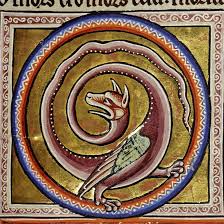
Snake
The snake is a creature that moves stealthily, never in a straight line, and represents both danger and renewal. It rejuvenates by shedding its old skin and can restore its sight by eating fennel. Snakes attack clothed men but flee from the naked. Allegorically, shedding the skin symbolizes the abandonment of the old self through Christ, spitting venom represents purification from evil desires before entering a church, and fleeing from the naked indicates how the devil avoids the righteous. It is believed that snake bile provides protection and serves as a repellent against dangerous beasts such as crocodiles.
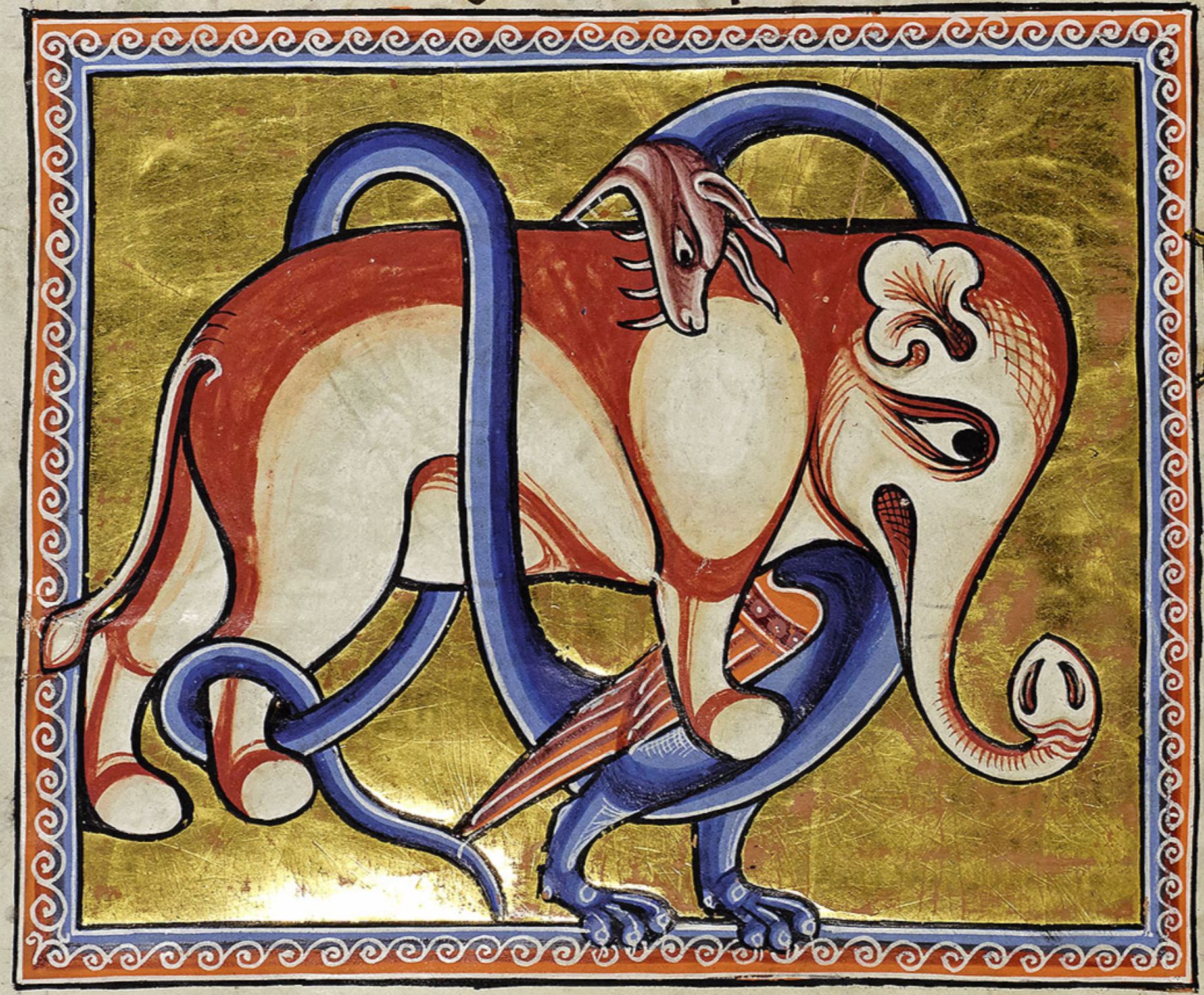
Dragon
The dragon is the largest of the serpents. It possesses greater strength in its tail than in the grip of its teeth and is capable of killing animals such as elephants by coiling around them and suffocating them. It fears the peridexion tree and the sweet breath of the panther. Its venom can appear as fire. Allegorically, the dragon represents the Devil, deceiving and corrupting men through sin. Dragons are often depicted attacking their enemies or breathing fire. It is said that the tongue, eyes, and intestines can be used to relieve fear. Dragon meat is edible but very cold, and its blood, dissolved in water, can be safely used to dissolve urinary stones.
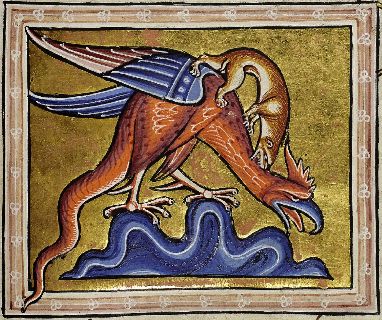
Basilisk
The basilisk is a deadly hybrid between a serpent and a rooster, known as the “king of serpents.” It is capable of killing men, animals, and plants simply with its gaze and hiss. It prefers dry places, and its bite causes hydrophobia. Only the weasel can kill it, while the crowing of a rooster can frighten or injure it. It is said that basilisks are born from a rooster’s egg laid by a toad. Its ashes are used in alchemy to transform metals such as copper or silver into a metal that resembles gold.
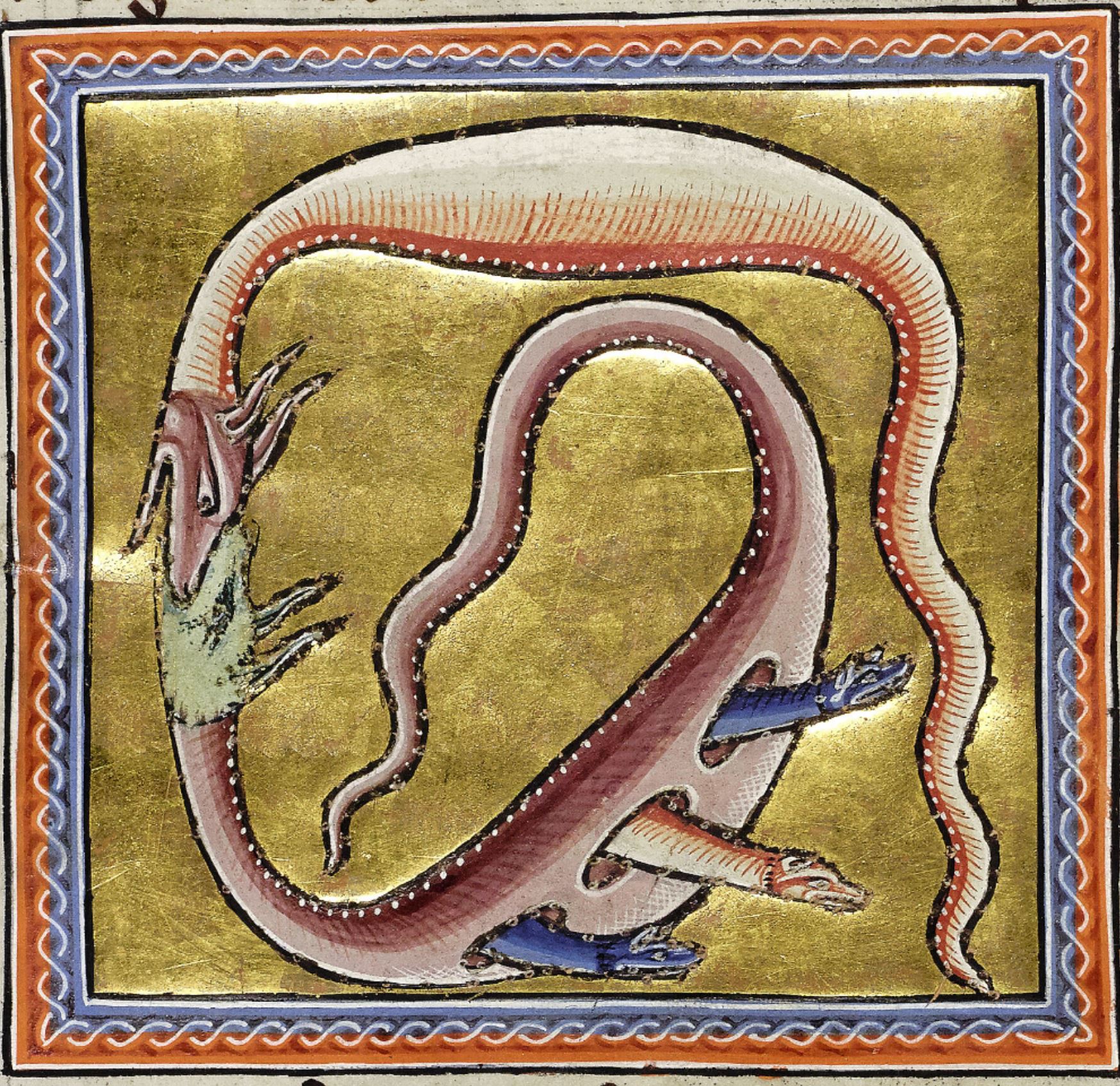
Viper
The viper is a deadly serpent with a peculiar method of reproduction: the female mates by grasping the male’s head with her mouth, then bites and detaches it, killing him. When the young are ready to be born, they pierce the mother’s side to emerge, causing her death. Allegorically, it is used to teach lessons about marital behavior, patience, and mutual respect between spouses. The ashes of a burned viper can be used medicinally to reduce swelling or treat certain ailments.